













 Quickly
 Socially
 Trending
 Crypto
Raja Parba, also known as Raja Sankranti or Mithuna Sankranti, is a unique and vibrant festival celebrated with great enthusiasm in the state of Odisha, India. This festival marks the advent of the monsoon season and is dedicated to Mother Earth and the agrarian lifestyle. Let’s dive into the details of Raja Parba 2024, its date, significance, and the various ways it is celebrated.
Raja Parba 2024 Date
Raja Parba is a three-day festival that usually takes place in mid-June, aligning with the beginning of the monsoon season. In 2024, the dates for Raja Parba are as follows:
- First Day (Pahili Raja): June 14, 2024
- Second Day (Mithuna Sankranti or Raja Sankranti): June 15, 2024
- Third Day (Basi Raja): June 16, 2024
Significance of Raja Parba
Raja Parba is steeped in cultural and agricultural significance. The festival celebrates the fertility of Mother Earth, likening her to a menstruating woman who undergoes a purification process. Here's a deeper look into the festival’s significance:
Celebration of Womanhood
Raja Parba honours women and their vital role in society. The festival celebrates menstruation, breaking the taboos surrounding it, and symbolises fertility and regeneration. It’s a time when women are given a break from their daily chores and are pampered with gifts, new clothes, and special treats.
Agricultural Relevance
The festival marks the beginning of the agricultural year, especially the sowing season. Farmers welcome the monsoon rains, which are crucial for the cultivation of crops. It is believed that during these three days, Mother Earth undergoes menstruation, and thus, all agricultural activities are halted to allow the earth to rejuvenate.
Cultural Importance
Raja Parba is also a time to celebrate Odisha’s rich cultural heritage. Traditional games, songs, and dances are an integral part of the festivities, bringing communities together in joyous celebration.
Celebrations and Rituals
Raja Parba is marked by various customs and festivities that reflect the cultural ethos of Odisha. The celebrations are characterised by joy, relaxation, and communal harmony:
Pahili Raja (First Day)
The first day is dedicated to preparing for the festival. Homes are cleaned, and swings (decorated with flowers and leaves) are hung from trees. Women and girls take oil baths, wear new clothes, and adorn themselves with jewellery. It’s a day of relaxation and preparation for the main celebrations.
Mithuna Sankranti (Second Day)
The second day, also known as Raja Sankranti, is the main day of the festival. It marks the beginning of the solar month of Mithuna and is considered the most auspicious day. Traditional foods like Poda Pitha (a type of rice cake) and other delicacies are prepared and enjoyed. Women and girls indulge in swinging on decorated swings, playing traditional games, and singing folk songs.
Basi Raja (Third Day)
The third day, called Basi Raja, signifies the end of the festival. It is a day to relax and enjoy the leftover festive foods. The swings are taken down, and normal activities are gradually resumed. The day concludes with a sense of fulfilment and joy as the community comes together to celebrate the earth’s fertility and the onset of the monsoon.
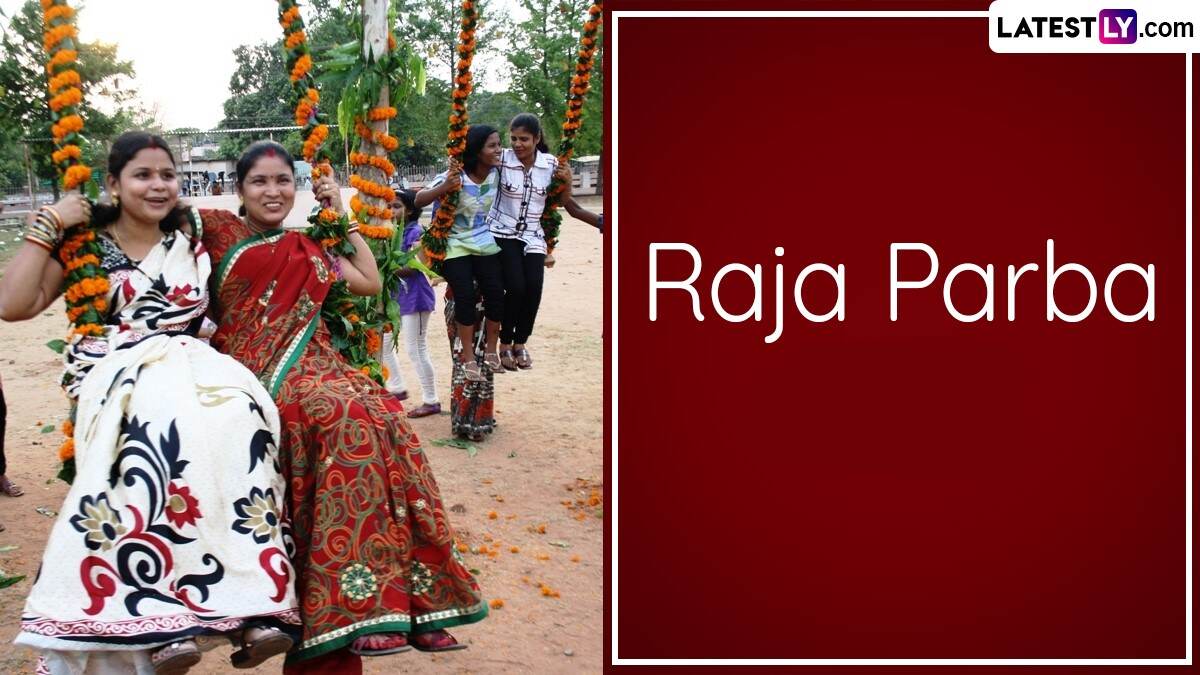
Raja Parba / Raja Sankranti is a festival that beautifully blends cultural traditions, agricultural significance, and the celebration of womanhood. It is a time when the people of Odisha come together to honour Mother Earth, welcome the monsoon, and celebrate life in all its vibrant forms. Whether through traditional foods, cultural activities, or the joy of swinging, Raja Parba encapsulates the essence of community and heritage, making it a truly unique and cherished festival.
(The above story first appeared on LatestLY on Jun 08, 2024 11:18 PM IST. For more news and updates on politics, world, sports, entertainment and lifestyle, log on to our website latestly.com).
 Share Now
 Google Trends



 Live Bot