













 Quickly
 Socially
 Trending
 Crypto

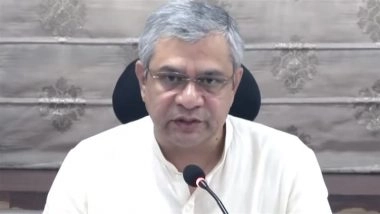







At a time when many businesses are feeling the economic repercussions of COVID-19, some companies are pivoting rapidly to position themselves differently in the marketplace and are finding new gaps. We took the opportunity to catch up in London with Swiss internet entrepreneur and social media thought leader, Matthias Mazur.
YF: From your experience, what has been the impact of the internet for businesses since the start of COVID-19 and what are your thoughts on the situation?
MM: That’s a great question, and one that is fascinating to talk about. When rumors of the Coronavirus started in the press, many business owners did not realize the full impact it would have on their businesses. The main impact that I’ve seen across dozens of industries is that businesses and entrepreneurs who’ve been focusing on using the internet and social media to diversify their visibility and revenue sources over the last few years have managed to mitigate the impact of COVID-19 and are in a much better position today. Those who failed to recognize the importance of social media a few years ago are now scrambling and playing catch up.
YF: You are the founder and CEO of Zuramedia, a leading digital marketing and social media business. What trends have you been seeing in social media over the last 12 months?
MM: My most important observation is that we are seeing the world getting smaller and smaller, and the apps that we have on our smartphones make us more connected than ever. E-commerce and social media is not only here to stay, but it will be a main driver for decades to come. In today’s world, it is practically impossible for businesses of all sizes to survive and thrive without using digital marketing and social media strategies. As time goes by, this will have an even bigger impact and separate those that use it from those who have shunned it.
YF: You built your first business online over 15 years and have been through the “rise” of social media platforms and apps. In today’s hectic world, how can businesses make themselves known on social media?
MM: The number one thing that businesses should do today is reach out to the customers directly and build a better bridge of communication with the market they serve. Social media is just a tool to communicate more effectively with your audience - whether you sell B2B or B2C. Many businesses underestimate the power of broadcasting and reaching out directly using tools like Facebook Live, Instagram Live, and email marketing. Email marketing is still an extremely effective way to drive visibility and revenue for businesses.
YF: What is your expectation for the long term in regards to customer behaviour now that more people have been forced to buy online rather than in stores?
MM: What COVID-19 has shown to the world is that customers will shift their buying behavior overnight. When retail stores in many countries were forced to close, we saw an immediate rise in e-commerce. As the world has started to reopen, retail businesses will have an opportunity to generate revenue from their brick-and-mortar locations. COVID-19 should serve as a warning once and for all for businesses that the internet is here to stay and plays a major role in driving revenue. Consumers will keep spending money, whether it’s retail or in e-commerce. It’s up to businesses and companies to shift the way they communicate to accommodate the customer’s behavior.
YF: You’ve written four books about digital marketing and entrepreneurship and help businesses generate leads and customers online. But you also invest in businesses and brands. How do you usually pick the businesses you invest in?
MM: We have a list of criterias we look at when investing in or acquiring businesses. One aspect is that we usually look for businesses that have a recurring revenue component. It could be a membership aspect, monthly, quarterly or yearly. The other aspect is the longevity. We like to focus on businesses that sell products and services that can still be around at least 10 years from now. The major benefit is that with over 40 full-time people working for my businesses, we can plug-in my marketing teams into new business ventures to accelerate growth and create more value.
YF: Many businesses are stuck with excess stock or inventory that they need to dispose of. What would you tell a business owner who is sitting on stock and unsold inventory and needs a way to sell fast?
MM: There are two simple ways any business can generate an influx of sales within 24 hours. The first is through emailing its customer base with some sort of special promotion or special offer, which could include a discount or an extra gift upon purchase. It might lower your margin, but if you need to get rid of inventory, you don’t have a choice. That’s step one. The second tool that works very effectively is using lifestream technology - which is free today - such as Facebook Live or Instagram Live to sell excess inventory directly to your customers. Consumers today are much more open to the idea of following livestreams.
YF: Let’s talk more general. The age old question… should small businesses focus on branding first or revenue first?
MM: It really depends on the state and financial situation of the business. If a business currently has cash flow and is financially stable, it can start allocating a budget towards branding and brand recognition. If you are a start up and do not have any customers at the moment, the key is to generate customers and revenue. Your focus would be more driven on revenue first. Unfortunately many businesses think they need to brand themselves before generating revenue, which in my opinion and experience, is wrong. Generate revenue first, and once income arrives, you can reinvest in branding activities.
YF: You have over 150,000 followers on social media and started over 10 years ago, you. Isn’t it too late for small businesses to shift their efforts to social media?
MM: Better late than never! Many businesses have been underestimating the power of social media and the internet and are seeing their competitors become more and more present on social media platforms. Even though today, as you say, I’m followed by over 150,000 entrepreneurs and executives on social media, I started with zero. Everyone starts with zero. You need to go through the process and put in the work, one by one. If not now, when?
YF: If you were a business owner unfamiliar with new technologies and the internet, and starting from scratch, what would be the first thing you would do to generate attention?
MM: The first thing I would do is really understand my customer behavior. Is the customer used to using LinkedIn? Facebook? Instagram? YouTube? Where does the customer spend the most of his time? How does he communicate?
Before putting in place a plan, businesses should spend more time understanding precisely who the customer is. Once they know who they want to attract, I always recommend focusing on two of the top communication channels. But everything starts by understanding your customer and his behavior.
YF: If there is only one thing you tell a business owner struggling because of the crisis and who wants to do better with social media, what would it be?
MM: It’s now or never. You don’t have a choice today, and if your business is still alive, it’s a blessing. Now is the opportunity to execute and focus on digital marketing strategies to protect your business from any future disasters. Future crashes and pandemic waves can happen at any time, as we’ve seen. It’s crucial to take the steps today and implement social media and the internet in your business.
YF: What is your vision of the next 10 years in technology, media and communication?
MM: The future belongs to businesses that understand their customers better than their competitors do, and are able to communicate with them in a more efficient and effective way. Consumer spending - as well as in B2B - will shift more and more towards digital and the internet and social media will become more and more crucial for businesses.
YF: What upcoming trend excites you the most in social media and advertising?
MM: This might sound boring, but I’m very excited by the idea of growing businesses that are focused on the very root of business: building long-term relationships with customers. So many businesses don’t take the time to invest in the relationship with their audience yet expect people to buy from them. With the amount of competition in the market today, it’s paramount to build strong relationships with customers, because you can then use social media to fuel word-of-mouth and accelerate it exponentially through paid media and advertising.
 Share Now
 Google Trends



 Live Bot